If your air conditioner sputters, blows warm air, or trips the breaker on a 100 degree afternoon, the next call is often to an HVAC contractor. In Tucson the margin for discomfort is small: a broken AC can turn a home into a stifling oven within hours. Knowing what will happen during a repair visit, what to prepare, and what questions to ask will save time, reduce surprises, and often save money. I’ve been on dozens of service calls, from emergency late-night refrigerant leaks to routine filter changes that prevented a collapse. Here’s a clear, practical guide to what you can expect when a technician arrives.
Why this matters When a technician shows up prepared and you know what to expect, the visit moves faster and diagnostic choices are clearer. That matters in Tucson where many repairs are weather-driven and technicians are stretched thin during heat waves. Preparing ahead prevents unnecessary trips and clarifies the difference between a quick fix and a replacement that should be planned.
Before the technician arrives: practical prep A little preparation helps the visit go smoothly. Have your address, unit model number, and a brief symptom description ready when you call. If you can safely access the outdoor condensing unit, clear away debris and ensure pets are secure. Photographs of the outdoor unit nameplate and the indoor thermostat can save time — technicians often use that information to confirm parts before they leave the truck.
Checklist to prepare before the visit
- Photograph the outdoor unit nameplate and the indoor thermostat display. Clear a three-foot radius around the outdoor unit and the indoor air handler. Note when the problem began and any patterns, such as cycling during the hottest part of the day. Have warranty paperwork, previous service records, or receipts available. Make space near the access panel for the technician and their tools.
What the technician will do first Most reputable HVAC companies, whether you searched for "HVAC Service Near Me" or called a specific shop such as Plunkett Home Services, follow a similar diagnostic sequence. Expect a walk-through conversation about the symptoms and recent patterns, followed by a visual inspection. The technician will check the thermostat settings to verify setpoint, mode, and fan behavior. Next comes a quick look at air filters, vent registers, and any obvious signs of physical damage or leaks.
A careful technician will assess airflow and refrigeration levels, but they start with the low-hanging fruit. Filters clogged with dust can cut airflow by 25 percent or more and produce many symptoms that mimic compressor failure. If the filter is dirty, changing it can sometimes restore normal operation within minutes. That happens often enough that it is worth checking before any other https://callplunkett.com/ step.
Diagnostic steps and what they reveal After initial checks, the tech will move into more technical diagnostics. They will measure temperature split across the evaporator coil, check static pressure, and take electrical readings. These numbers point to different failure modes. For example, a normal temperature drop across the evaporator is roughly 16 to 22 degrees Fahrenheit; a significantly smaller split suggests low refrigerant or restricted airflow. High static pressure in the return duct points to blocked filters or undersized ducts. High current draw on the compressor suggests motor stress or mechanical failure.
Refrigerant issues require careful handling. A technician will look for visible oil stains, listen for hissing, and check service ports for pressure readings. If refrigerant is low, the cause matters. A small leak might be repairable; large losses indicate a failed component or slow leak that will reappear. The ethical choice is to repair leaks before adding refrigerant, because simply topping off refrigerant often masks the underlying problem.
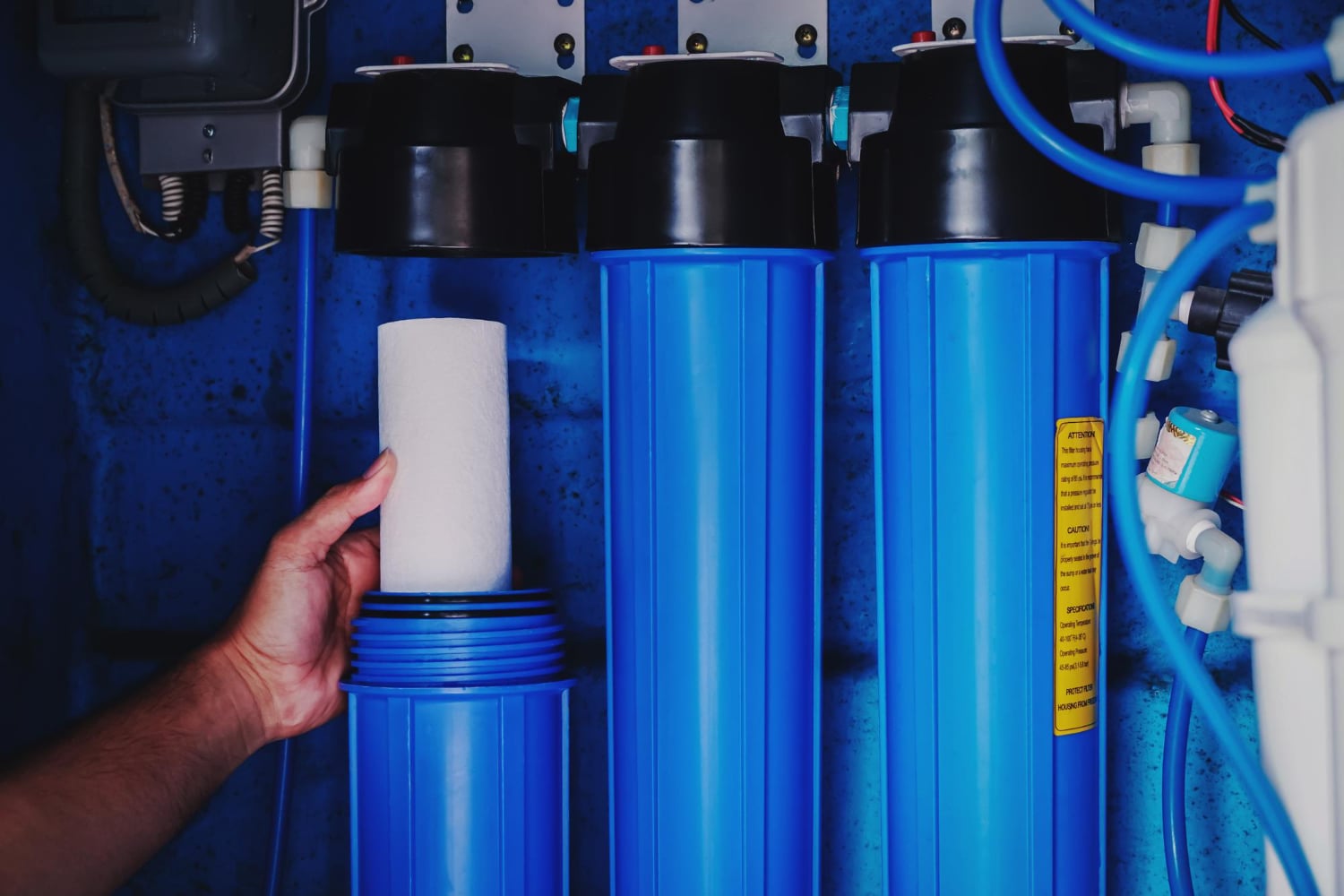
Tools and tests you might see Technicians bring a toolbox of instruments that are more than shiny gadgets. Expect to see a digital multimeter for electrical checks, clamp meters for current draw, and manometers or gauges for refrigerant pressures. Many technicians now use wireless refrigerant scales and vacuum pumps when recovering and recharging refrigerant. If a heat exchanger is in question on a gas furnace, a combustion analyzer may appear to measure CO and efficiency. These tests are not performed for show; they give objective numbers that form the basis of repair recommendations.
Time and cost drivers: what lengthens a visit Not every visit is a 30 minute repair. Time expands for several reasons. If a technician needs to trace a leak, the search can take hours because leaks are often tiny and hidden within coils, fittings, or brazed joints. When parts are out of stock, the tech may need to order and return, which is why having an HVAC contractor near me who stocks common parts matters. Permits or safety inspections can add time if an installation or major repair is involved. Emergency visits, especially on weekends or during heat waves, often carry higher fees; expect premium rates for after-hours emergency AC repair near me.
An anecdote about time and judgment I once sent a tech to a house where the owner had “topped off” refrigerant twice over three months. The technician found a small pinhole leak in the evaporator coil, a component that requires replacing the coil or the entire air handler. The initial call was quick and simple, but diagnosing the leak and discussing replacement options with the homeowner turned the visit into a two-hour consultation. The homeowner saved money in the long run by replacing the failing coil rather than repeatedly paying for refrigerant and temporary fixes.
Common recommendations and trade-offs you’ll hear Most repairs fall into a few categories: tune-up and cleaning, component replacement, refrigerant repair, and system replacement. A tune-up and cleaning are the least expensive and often extend life by a year or two. Replacing capacitors, contactors, or fan motors is a mid-range repair that restores operation without the cost of full replacement. Replacing compressors or evaporator coils is expensive and sometimes makes it sensible to consider new AC installation in Tucson, especially for units older than 12 to 15 years or with poor efficiency.
When a technician suggests replacement, they should present options with numbers: estimated remaining life, cost of repair, cost of new unit, and expected cost-per-month savings on utility bills. Good technicians will also be honest about edge cases, such as when a mid-range repair buys you two to three years but a replacement will cut annual cooling costs by 20 to 40 percent depending on the new system and duct condition.
Example numbers for decision-making If a compressor replacement costs $2,000 and the unit is 12 years old with frequent other failures, a replacement might cost $4,500 to $7,000 depending on size and efficiency. If a new system reduces energy use by 30 percent and your annual cooling bill is $1,200, you might save $360 per year. Those savings matter, but they do not pay for a new unit overnight. A clear-headed decision weighs upfront cost, projected life, and comfort needs.
What safety checks the technician should perform Safety is non-negotiable. Technicians should check electrical disconnects, verify proper grounding, and ensure refrigerant recovery is done per regulations. For gas furnaces, checking for tight gas connections and positive draft through the flue is essential. Many technicians will verify carbon monoxide levels when gas appliances are involved. If anything looks unsafe, an honest technician will refuse to leave the unit in a hazardous condition and will clearly explain the steps needed to make it safe.
Warranties, paperwork, and transparency A professional HVAC company will provide a written estimate and explain warranty coverage. Ask whether parts and labor are covered, the duration of any warranties, and if a replacement part has a separate warranty. Keep records of service calls; they build a maintenance history that can help future diagnostics and support warranty claims. If a technician performs a repair, ask for documentation of measured values before and after work. That transparency prevents disputes about whether an issue was resolved.
When to ask for a second opinion If the recommendation seems rushed, if the tech pressures you toward the most expensive option without presenting trade-offs, or if they cannot produce measurement data to justify their diagnosis, it is reasonable to ask for a second opinion. Parts fraud and unnecessary replacements are not common among reputable firms, but pressure tactics and upsells do happen. A second opinion from another reliable HVAC contractor can confirm the right path, especially for high-cost decisions.
After the visit: follow-up actions and expectations After repair, monitor system behavior for several days. Note any cycling irregularities, strange odors, or tripped breakers. If the technician replaced a component, confirm that extra charges were explained and that you received an invoice with line-item details. If the technician recommended future work, ask for a prioritized list so you can plan budget and timing. Many homeowners leave a filter replacement schedule and change intervals in a visible place to prevent clogged filters from undoing the repair.
Emergency visits: what changes Emergency AC repair near me usually means higher service rates and a focus on restoring immediate comfort. The technician might perform a temporary fix to get the system running and then schedule a follow-up to complete a permanent repair. Clarify whether the emergency fee covers diagnostics only or includes parts and labor for the immediate fix. Reputable companies will be honest about temporary versus permanent solutions and offer options that fit your budget and urgency.
Choosing the right HVAC contractor Not all HVAC technicians are equal. Look for licensed professionals with local reviews and a track record in Tucson heat. Search terms like HVAC repair, HVAC contractor, or HVAC company near me can produce many options; prioritize companies that provide clear pricing, emergency service options, and transparent warranties. Local firms like Plunkett Home Services often emphasize rapid response during heat bursts and understand Tucson-specific issues such as dust loading and oversized duct runs in older homes.
What to expect in cost A standard diagnostic visit often ranges from $75 to $200 depending on company and whether you booked an appointment or needed emergency service. Simple repairs like capacitors or contactors might run a few hundred dollars including parts and labor. Major component replacements and new installations range in the thousands. Ask for estimates before authorizing work and request payment options or financing if a replacement is necessary.
Final practical tips Keep a small notebook with unit model numbers, filter sizes, and service dates. Replace filters regularly — in Tucson that often means every 30 to 90 days depending on type and household conditions. When possible, schedule preventive maintenance in the shoulder seasons so technicians are more available and rates are lower. Finally, build a relationship with a reliable HVAC Service Near Me now, before a breakdown. Familiarity pays when a technician already knows your system and its history.
If you want a referral or to compare quotes, call two local contractors, share the same symptom list, and ask them to provide written estimates. That simple comparison will reveal who explains diagnostics clearly, who offers reasonable timelines, and who is transparent about costs and warranties. A fast, calm repair visit begins with the right questions and ends with records you can use next time.
Plunkett Home Services
3144 E Fort Lowell Rd, Tucson, AZ 85716, United States
+1 (520) 808-2743
[email protected]
https://callplunkett.com/